
Benedetta CevoliSenior Machine Learning Engineer
Examples of bias in AI make headlines the world over; the AI recruitment tool that rejected female applicants, the health insurance program which favored white people, the facial recognition software that fails to identify Black faces.
When articles such as these are shared around, it paints an unfavorable view of a technology that helps billions every day. Even though the positives vastly outweigh the negatives, it doesn’t mean we shouldn’t pay attention to where AI is falling short of Equity, Diversity, and Inclusion. AI bias can be a problem and it’s up to all of us to tackle it.
But what exactly do we mean by “bias”? Put simply, it’s disproportionate weight in favor of or against an idea or thing, usually in a way that’s closed-minded, prejudicial, or unfair. Biases can be innate or learned and they can lead to some developing strong feelings for or against an individual, a group, or a belief.
In science and engineering, meanwhile, a bias is a systematic error. Statistical bias usually results from an unfair sampling of a population, or from an estimation process that does not give accurate results on average. AI Bias, therefore, is a systematic error created by artificial intelligence.
There are many different types of AI Bias with five surfacing more often than others. These five are; Algorithm Bias (issues with the instructions given to the program), Sample Bias (issues with the data itself - sometimes the dataset is too small or under representative), Prejudice Bias (an issue where real-world stereotypes are pulled into the system), Measurement Bias (issues with the accuracy of the data) and finally, Exclusion Bias (issues where integral factors are left out of the datasets).
These types of AI Bias are often interlinked. We can be guilty of exclusion bias because we have prejudices. Sample data can easily affect measurement bias. When it comes to speech recognition, just one of these biases can throw an algorithm off, leading to inaccurate results. When your goal is to understand every voice, as ours is, a lack of accuracy is fatal.
At Speechmatics, we believe the more we’re exposed to different ways of thinking and speaking, the more likely we are to understand them. This is the same for machine learning. If we give the training models exposure to a different variety of voices, it should become familiar with them. While it isn’t a cure-all fix, exposure is critical for reducing AI bias.
With our Autonomous Speech Recognition, we made a breakthrough to introduce self-supervised learning into our training. By doing so we’ve been able to up the amount of data we train on from 30,000 hours to 1,100,000 hours. The results have been extraordinary at reducing AI Bias.
Speechmatics is leading the way towards reducing AI bias across the board. The new Autonomous Speech Recognition system launched in November 2021 brought exciting improvements across a variety of accents around the world, with a 50% improvement in accuracy.
When compared to competitors, we’ve also seen a 45% reduction in speech recognition errors on African American voices as well as the smallest age gap between younger and older voices (2% vs up to 6% for competitors). You can read more about our progress in our white paper, Pioneering Greater Accuracy in Speech Recognition to Reduce AI Bias.
We know you can’t just build for the median. This is how outliers are created and left behind. Instead, companies need to look at all areas of bias, starting with better recruitment across the board. Hiring and empowerment are at the forefront of tackling bias.
At Speechmatics, we’ve made it our mission to ‘Understand Every Voice’. It’s a mission that has Diversity, Equity & Inclusion at its heart. There will never be a silver bullet to fix all AI Bias. But it’s imperative that we all do as much as we can – whether that’s educating ourselves or perfecting our technology - because challenges like this require effort and an open mind, from all.
Benedetta Cevoli, Data Science Engineer, Speechmatics

Quantization was the key to fitting a cloud-grade model on a laptop. Getting the full optimization chain to cooperate around it was the hard part.
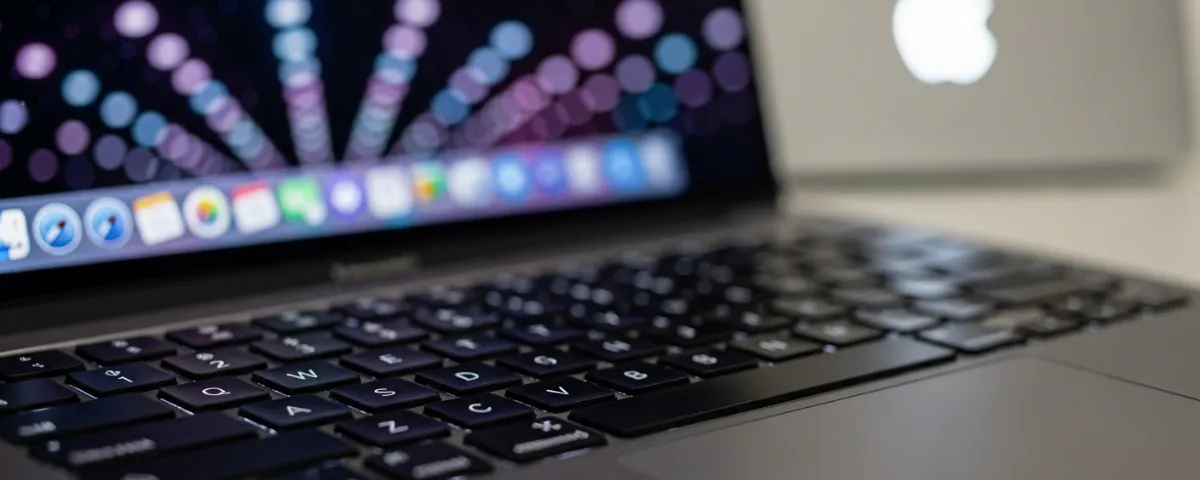
Behind the build: what it takes to make cloud-grade speech recognition work inside Adobe Premiere, and why Whisper raised the stakes.
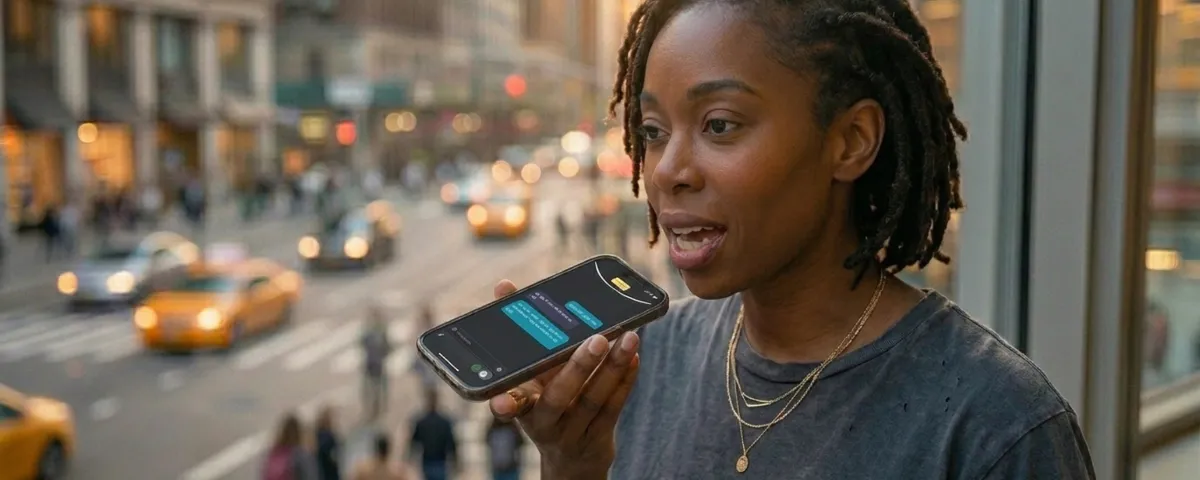
Voice agents that pass in demos routinely fail in production. This guide covers the 11 best voice agent testing platforms in 2026, with the Five-Layer Testing Framework, platform deep dives, open-source alternatives, and a decision guide by maturity stage.

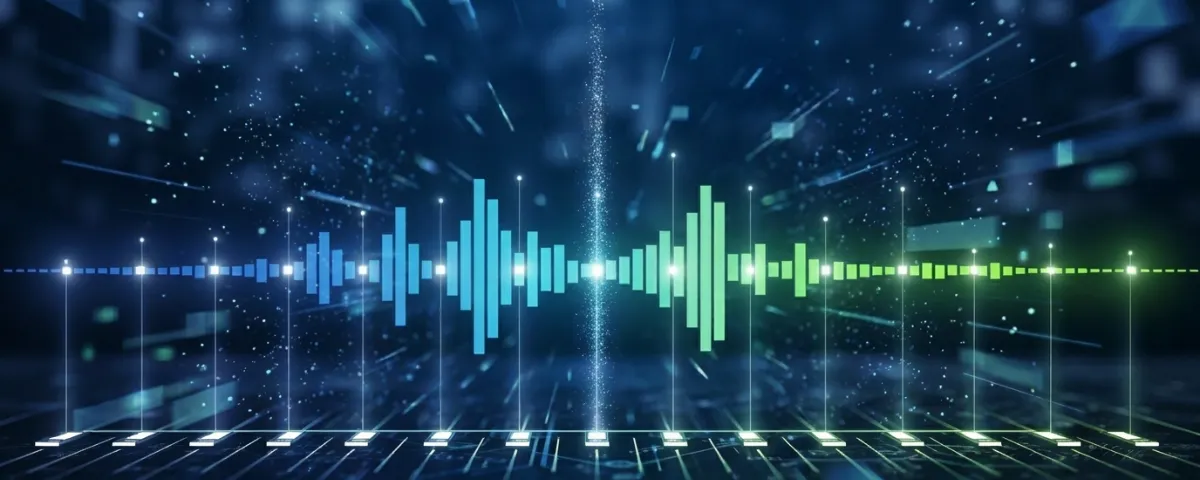
Build a cleaner path between batch and real time. Learn when micro-batching makes sense, how to chunk audio, submit jobs, stitch JSON, and scale safely with the Speechmatics API.
A guide for voice AI engineers, ecommerce platforms and warehouse teams on SKU recognition accuracy voice assistant deployments depend on: why speech recognition systems produce transcription errors on product codes, what to measure when error rates matter, and the fixes that move the needle on order picking, voice ordering and customer-facing voice AI.
Adobe Premiere users can run the most accurate on-device transcription locally; efficient enough for a laptop, powerful enough for professional work.