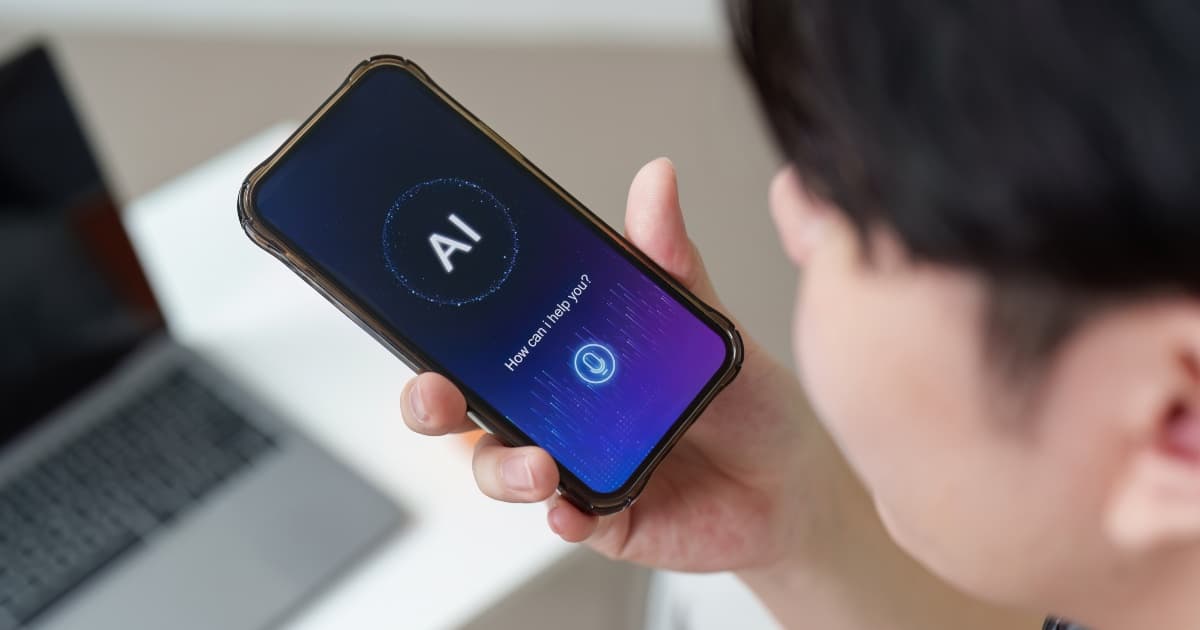
You have multiple people speaking at once, background noise, and unpredictable interruptions.
In the real world, you don’t get clean, isolated speech - especially in fast-paced environments like contact centers, drive-thrus, clinics, and emergency services.
Current voice AI struggles in these situations. It doesn’t know who to listen to, so it picks up everything - TVs in the background, kids shouting, other people talking. That leads to misinterpretations, lost details, and constant interruptions that frustrate users and destroy successful use of voice AI.
That’s what we want to solve - the listening struggle of voice AI in the real-world.
Now, we want to focus on a key piece of that evolution: how AI can learn who to listen to, isolating and prioritizing speech in unpredictable, noisy environments. The problem of 🥁drumroll please🥁 attention.
Real-world scenarios where voice AI fails
Most voice AI treats all speakers equally, picking up unwanted words from others and leading to interruptions, misinterpretations, and completely avoidable compliance risks.
Whether it's a drive-thru order disrupted by backseat chatter, a customer support call muddied by a TV in the background, or an emergency call derailed where every second counts, AI must identify who to listen to and who to ignore.
Without that capability, errors pile up, frustration grows, and people stop trusting Voice AI systems. And the knee-jerk reaction to this? Project failure.
Different methods have been tried over decades to solve this problem, from noise-cancelling near-field microphones to aggressive noise suppression models to “CAN EVERYONE BE QUIET WHEN I TALK TO MY AI?”.
Well, at Speechmatics we thought that’s not really scalable. We’ve solved it differently...
The Speaker Focus solution
This is where Speechmatics' Speaker Focus technology changes the game.
Instead of responding to every voice that it hears, it can dynamically select who to listen to – locking onto their voice, the chain of conversation, and filtering out other distractions.
It allows AI to listen the way a human would: responding to what is relevant and ignoring what isn’t.
Built on top of our industry-leading speaker diarization, we can focus our voice AI on a single speaker, filtering out background noise, ensuring that interactions are clear, accurate, and actionable.
Whether delivering successful fast-food orders at scale, attentive customer support, taking notes and managing appointments at a clinic, or a concise emergency response, getting this right means fewer errors and a more successful implementation of voice AI in the real-world.
Testing in real environments
Many AI models work well in controlled conditions. But as I’ve said before, real-world performance is what matters. If a voice AI can’t handle interruptions, background chatter, or multiple people speaking, it’s not fit for purpose.
When you’re evaluating these types of voice AIs, you need to test them in real-world scenarios. Can it differentiate between speakers in real-time? Does it get thrown off by overlapping voices? Does it still deliver fast yet accurate transcriptions? These are the real questions businesses should be asking.
Real-world performance: the true benchmark
Many providers tout ‘world-leading’ transcription accuracy, but they rely on post-processed batch data, not live transcription with unpredictable conditions where real-time voice AI is used.
So, what’s next? Empathetic listening? This isn’t likely needed for voice AI in enterprises today.
First, we see enterprises demanding reliable, seamless voice AI interactions. In the short term, we can expect a focus on better benchmarks for how well AI handles messy, multi-speaker real-world environments. It’s time to look beyond clean lab conditions and evaluate how it truly functions in environments where it’s most needed.
Speaker lock is a fundamental shift in how voice AI operates in real-world conditions. Background noise, interruptions, and multiple voices are part of daily interactions. Without a way for AI to focus on the speech that matters, successful outcomes aren’t delivered for the customers, and businesses pay the price.





![[alt: Healthcare is a strain image]](/_next/image?url=https%3A%2F%2Fimages.ctfassets.net%2Fyze1aysi0225%2F4YLB294PotEnVZFTtksUt8%2F0f9e81fbe24027f52d1941713e032217%2Fmedical_blog_header_general_01.webp&w=3840&q=75)